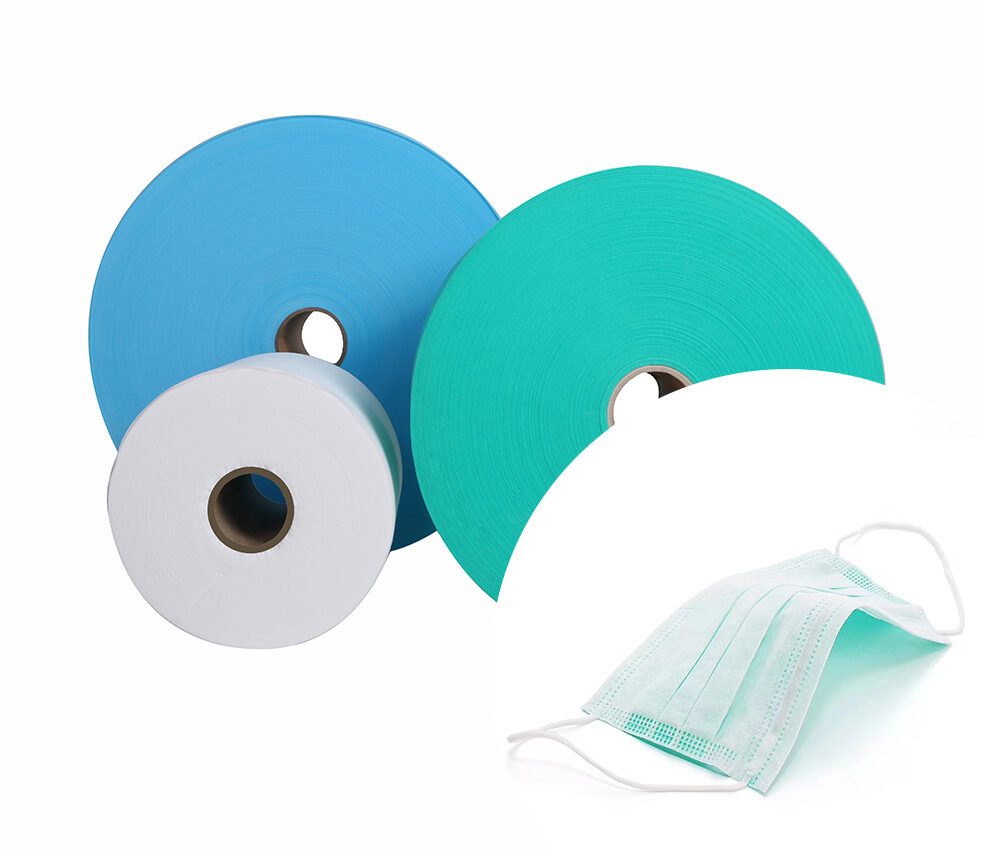
Introduction
Since its inception in 2015, our company has been dedicated to providing high-quality nonwoven fabrics that are widely used in the healthcare and hygiene industries. These innovative materials have revolutionized the way we approach health and cleanliness, offering a range of benefits that traditional fabrics simply cannot match.
In this blog post, we will explore the numerous advantages of nonwoven fabrics and how they contribute to a healthier and more hygienic environment.
Section 1: Enhanced Absorbency and Breathability
One of the key advantages of nonwoven fabrics is their exceptional absorbency. These fabrics are designed to quickly and efficiently absorb fluids, making them ideal for use in medical and surgical applications. Whether it’s for wound dressings, diapers, or incontinence pads, nonwoven fabrics excel in absorbing and retaining moisture, keeping the wearer dry and comfortable.
In addition, nonwoven fabrics offer excellent breathability, allowing air to circulate through the material. This is essential for promoting good hygiene, as it helps prevent the buildup of heat and moisture, which can create a breeding ground for bacteria and odors.
Section 2: Superior Strength and Durability
Nonwoven fabrics are renowned for their strength and durability. Unlike traditional woven fabrics, which are made by interlacing yarns together, nonwoven fabrics are composed of fibers that are bonded together through various processes. This unique structure gives them exceptional tear and tensile strength, making them resistant to wear and tear.
Moreover, nonwoven fabrics are highly resistant to chemicals and are less prone to wrinkling and shrinking. This makes them an ideal choice for products that need to withstand frequent washing and sterilization, such as surgical gowns, face masks, and cleaning wipes.
Section 3: Hygienic and Eco-Friendly
Nonwoven fabrics play a crucial role in maintaining hygiene and preventing the spread of infections. These fabrics are often used as barriers to protect healthcare professionals and patients from harmful pathogens. With their tight structure, nonwoven fabrics provide an effective barrier against bacteria and viruses, helping to reduce the risk of cross-contamination.
Furthermore, nonwoven fabrics are eco-friendly. They are typically made from recyclable materials and can be repurposed into new products, reducing waste and minimizing environmental impact. By choosing nonwoven fabrics, you are not only prioritizing health and hygiene but also contributing to a sustainable future.
Conclusion
Nonwoven fabrics have revolutionized the healthcare and hygiene industries with their remarkable properties. From enhanced absorbency and breathability to superior strength and durability, these fabrics offer a multitude of benefits that are unparalleled by traditional materials.
As we continue to innovate and develop new nonwoven fabric solutions, we are excited to be at the forefront of advancements in health and hygiene. Join us in embracing this remarkable technology and experience the many advantages it brings to your life.