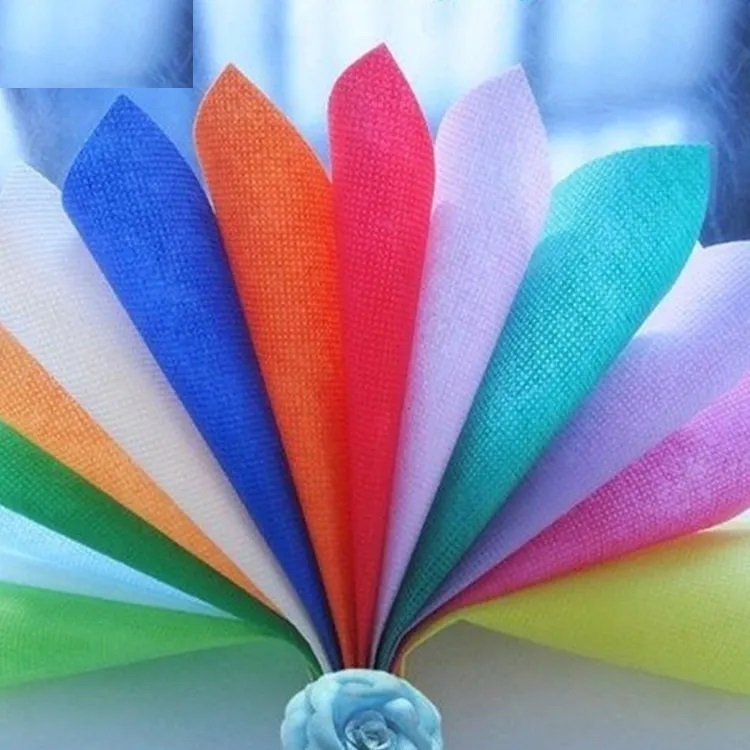
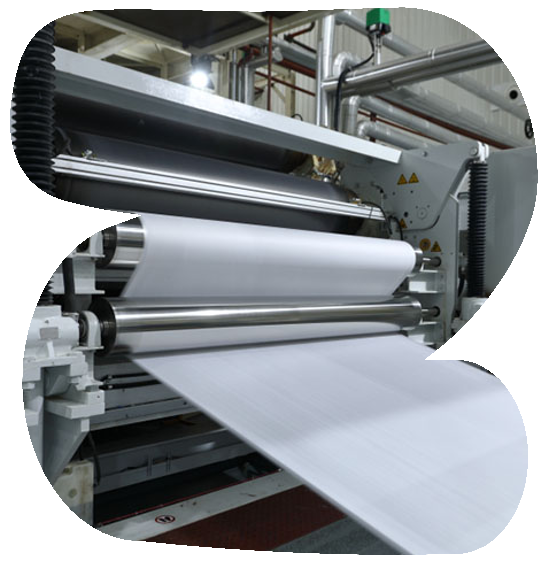
Everyone loves a good mattress, because it is the key to a good night’s sleep. And to meet the demands for more comfortable, better mattresses, manufacturers have to seek out better materials to fit new techniques. This is where Nonwovens become a very critical part of the mattress making process. Unlike traditional woven fabric, non-wovens can hold a certain amount of weight without unraveling, creating a hole, or fraying. That’s why, in mattress making, nonwovens are used from top to bottom.
Undoubtedly we have no questions to ask which are unanswerable. We must trust the perfection of the creation so far, as to believe that whatever curiosity the order of things has awakened in our minds, the order of things can satisfy. Every man’s condition is a solution in hieroglyphic to those inquiries he would put.
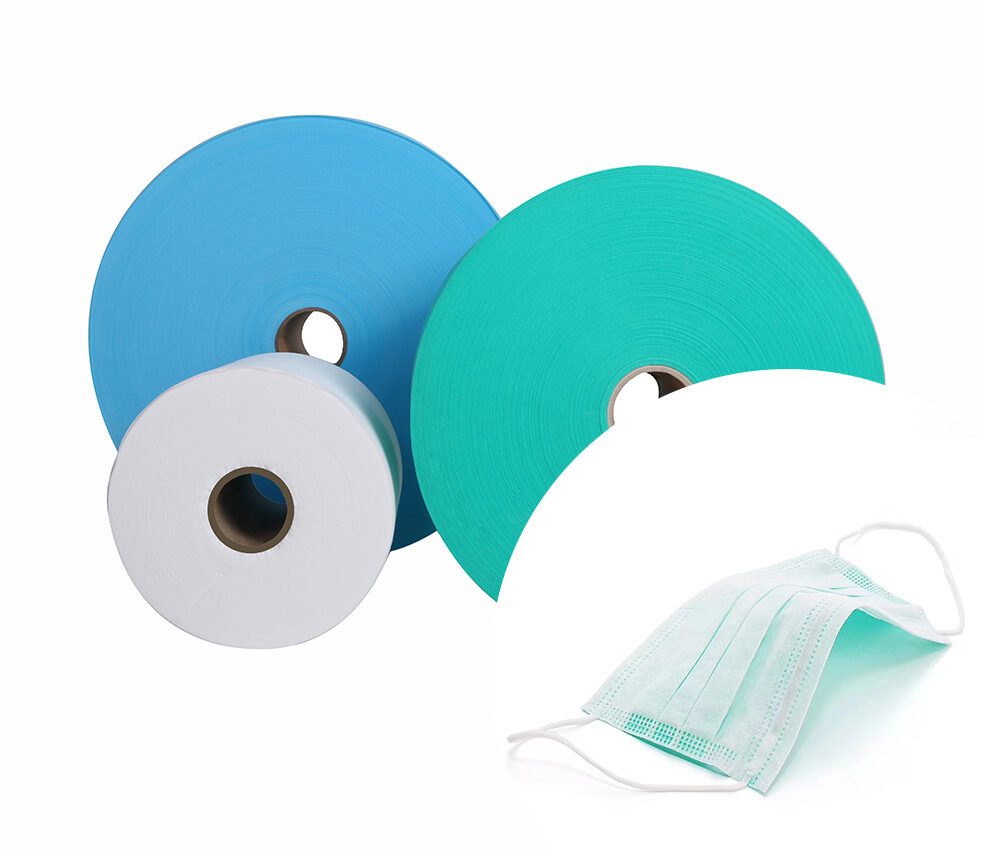
Masks are the new normal now. From children to adults, different types of masks with different features and promises are overflowing in the market. But the real confusion that a consumer has always faced is in choosing between surgical and cloth masks. World health authorities have already opened up about N95 not being mandatory. In this scenario, should you opt for a surgical mask, which is used by surgeons and health care professionals to protect themselves? or should you use a cloth mask, which is reusable, and comes in all sorts of shapes, sizes and colors to suit your needs.
The answer is simple, follow the professionals! Remember doctors have been using masks since perhaps the dawn of medicine. And the evolution of today’s surgical masks is a result of thorough research and innovation. For example masks produced by Karam are made from superior quality fabric, making them better suited to protect against sudden splatters, fumes or discharges, thus providing better protection as compared to cloth masks.
On the other hand, cloth masks retain moisture and bodily fluids, making them more prone to giving the wearer infections. If you are working in a closed environment and for prolonged hours, and around a lot of people, then perhaps, a surgical mask is your best choice. However we leave the final opinion to your healthcare professional.
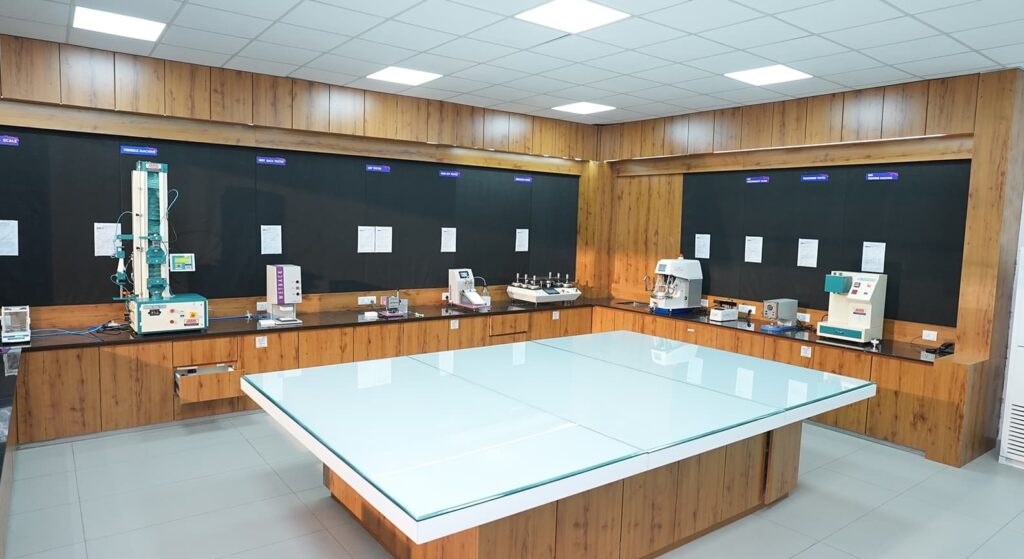
When it comes to making products that touch lives, the word ‘quality’ is not a mere punchline, but a way of life, where manufacturing ecosystems need to ensure not just compliance, but also the safety of human lives.
That’s why from materials to finished products, we have the word quality embedded in our corporate DNA, both as a habit and as a commitment to our clients.
Quality assurance is a vital part of our quality management to ensure that everybody is doing everything properly in every stage of the production process. Our goal is preventing errors or defects in our products, and enabling compliance of every global agency. In other words, we remain world-class, by delivering quality that’s a class apart.
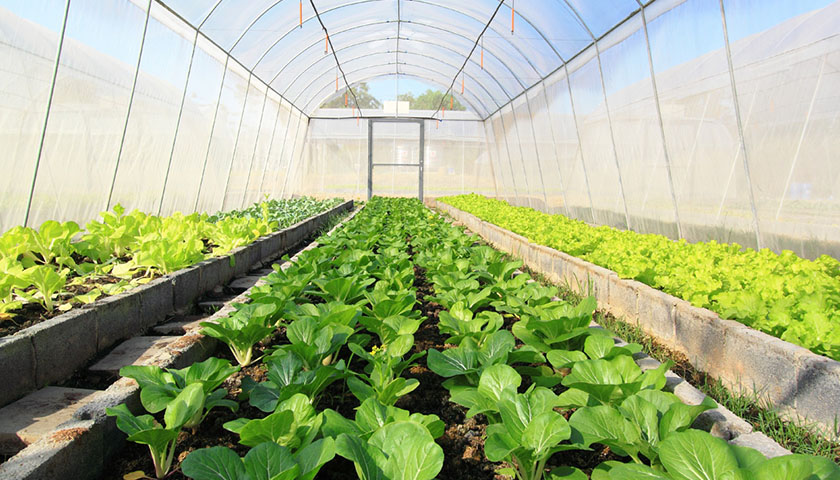
Did you know? Non-woven fabrics are a crucial part of the global agriculture economy? From covering crops, to plant protection, seed blanketing to greenhouse shading, root control bags and landscape fabrics, non-wovens help in maximizing productivity of farms, landscapes and gardens, while reducing the need for manual labour and pesticides.
Reusable, durable and highly effective, non-wovens have emerged and continue to be an integral part of the global agriculture sector.
As one of India’s largest producers of high quality agri-grade fabrics, we are committed to sustaining yields, by offering environmentally designed non-woven fabrics in all sectors, starting from large scale farms, to small scale greenhouses.
From protection against aggressive environmental factors such as hail, wind and frost, to increasing the yield, reducing water consumption, insect protection & pesticide needs and preserving the soil structure, Our Agriculture division has left no stone unturned in researching, innovating and delivering, cutting edge fabric to the sector.
Since its inception in 2015, our company has been dedicated to providing high-quality nonwoven fabrics that are widely used in the healthcare and hygiene industries. These innovative materials have revolutionized the way we approach health and cleanliness, offering a range of benefits that traditional fabrics simply cannot match.
In this blog post, we will explore the numerous advantages of nonwoven fabrics and how they contribute to a healthier and more hygienic environment.
Section 1: Enhanced Absorbency and Breathability
One of the key advantages of nonwoven fabrics is their exceptional absorbency. These fabrics are designed to quickly and efficiently absorb fluids, making them ideal for use in medical and surgical applications. Whether it’s for wound dressings, diapers, or incontinence pads, nonwoven fabrics excel in absorbing and retaining moisture, keeping the wearer dry and comfortable.
In addition, nonwoven fabrics offer excellent breathability, allowing air to circulate through the material. This is essential for promoting good hygiene, as it helps prevent the buildup of heat and moisture, which can create a breeding ground for bacteria and odors.
Section 2: Superior Strength and Durability
Nonwoven fabrics are renowned for their strength and durability. Unlike traditional woven fabrics, which are made by interlacing yarns together, nonwoven fabrics are composed of fibers that are bonded together through various processes. This unique structure gives them exceptional tear and tensile strength, making them resistant to wear and tear.
Moreover, nonwoven fabrics are highly resistant to chemicals and are less prone to wrinkling and shrinking. This makes them an ideal choice for products that need to withstand frequent washing and sterilization, such as surgical gowns, face masks, and cleaning wipes.
Section 3: Hygienic and Eco-Friendly
Nonwoven fabrics play a crucial role in maintaining hygiene and preventing the spread of infections. These fabrics are often used as barriers to protect healthcare professionals and patients from harmful pathogens. With their tight structure, nonwoven fabrics provide an effective barrier against bacteria and viruses, helping to reduce the risk of cross-contamination.
Furthermore, nonwoven fabrics are eco-friendly. They are typically made from recyclable materials and can be repurposed into new products, reducing waste and minimizing environmental impact. By choosing nonwoven fabrics, you are not only prioritizing health and hygiene but also contributing to a sustainable future.
Conclusion
Nonwoven fabrics have revolutionized the healthcare and hygiene industries with their remarkable properties. From enhanced absorbency and breathability to superior strength and durability, these fabrics offer a multitude of benefits that are unparalleled by traditional materials.
As we continue to innovate and develop new nonwoven fabric solutions, we are excited to be at the forefront of advancements in health and hygiene. Join us in embracing this remarkable technology and experience the many advantages it brings to your life.
The Importance of Nonwoven Fabrics in Health and Hygiene
In today’s world, health and hygiene have become more important than ever. The ongoing pandemic has highlighted the crucial role that proper sanitation and hygiene play in preventing the spread of diseases. Nonwoven fabrics have emerged as one of the most versatile materials in the health and hygiene industry, offering a wide range of applications.
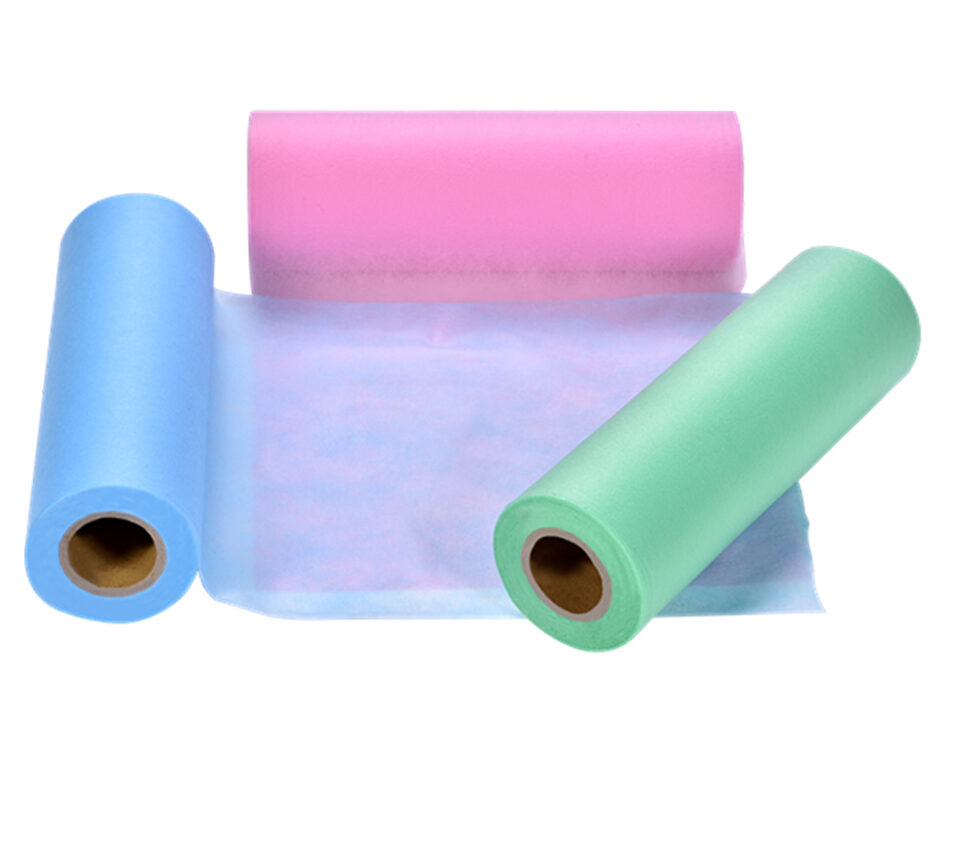
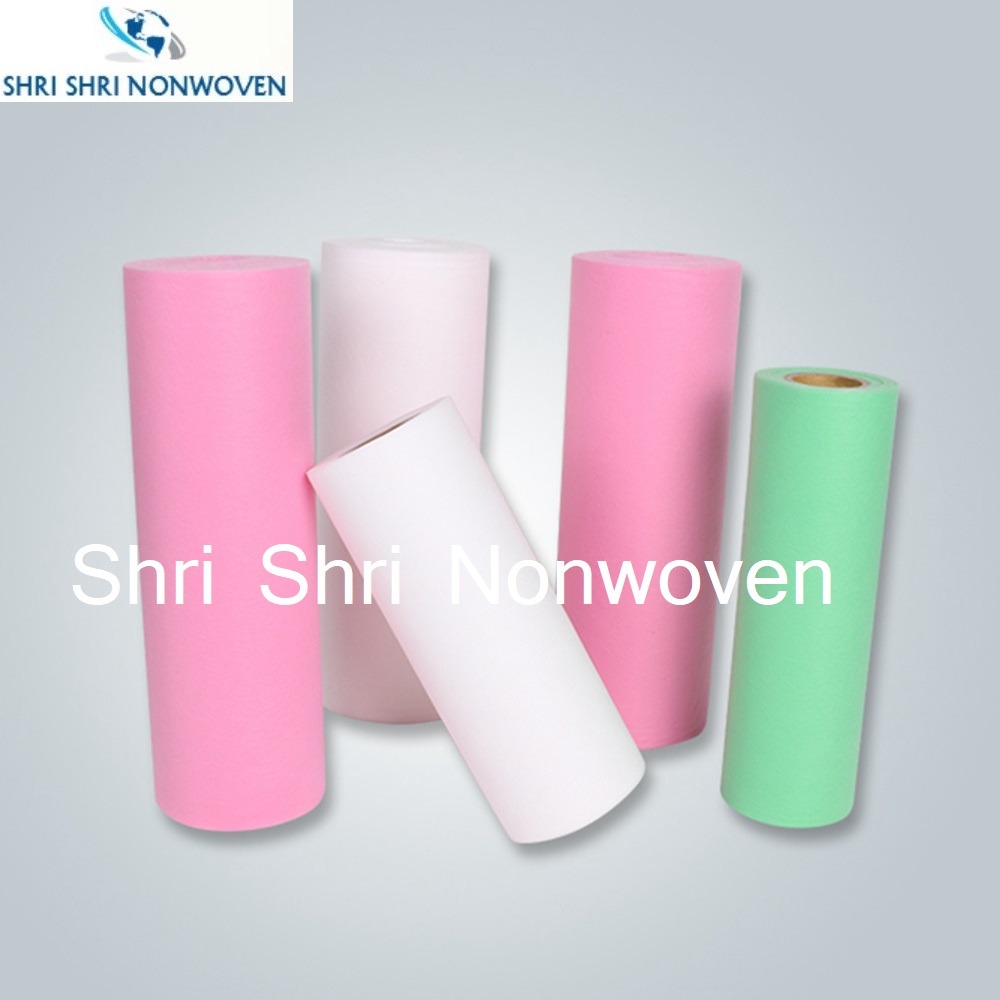
Nonwoven fabrics are unique as they are made by bonding fibers together without weaving or knitting. This results in a fabric that is strong, durable, and incredibly versatile. These fabrics are widely used in the healthcare sector, from hospitals to clinics, to ensure the highest standards of hygiene and safety.
The Applications of Nonwoven Fabrics in Health and Hygiene
1. Medical Protective Clothing:
Nonwoven fabrics are extensively used in the production of medical protective clothing, such as gowns, masks, and caps. These fabrics provide an excellent barrier against bacteria, viruses, and other pathogens, protecting both healthcare professionals and patients.
2. Wipes and Absorbent Products:
Nonwoven fabrics are also used in the manufacturing of wipes and absorbent products, such as diapers and sanitary pads. These fabrics have excellent absorbency properties, making them ideal for maintaining personal hygiene.
3. Sterilization Wraps:
When it comes to sterilizing medical equipment, nonwoven fabrics are the preferred choice. These fabrics are able to withstand high temperatures and ensure the sterility of the equipment during the sterilization process
The Future of Nonwoven Fabrics in Health and Hygiene
The demand for nonwoven fabrics in the health and hygiene industry is expected to continue growing in the future. With ongoing advancements in technology, new and innovative applications of nonwoven fabrics are being developed.
Companies are investing in research and development to enhance the properties of nonwoven fabrics, making them more effective in preventing the spread of infections and improving overall hygiene standards. These advancements will not only benefit the healthcare sector but also other industries such as personal care and home cleaning.